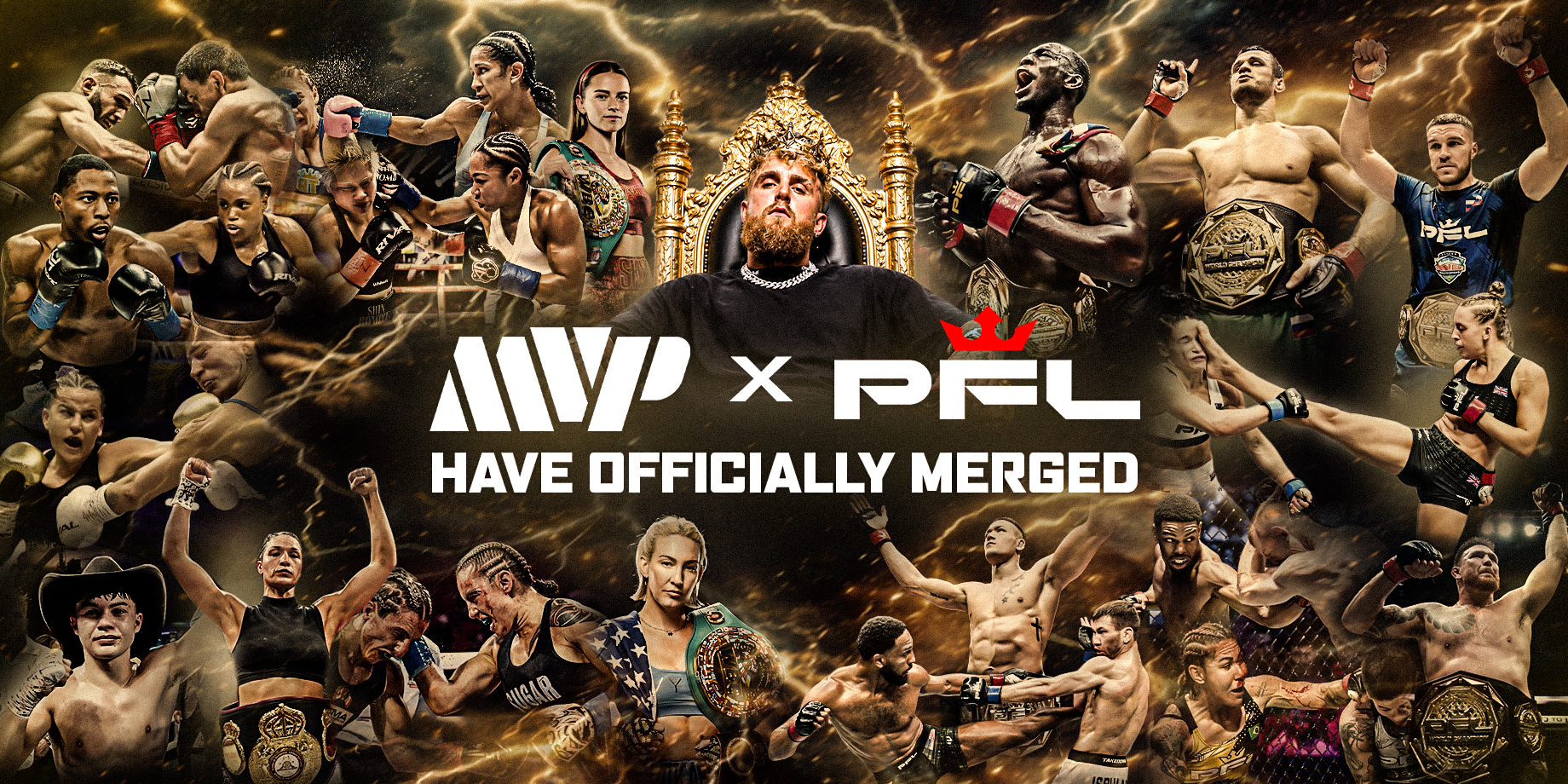
PFL Will Become MVP MMA
The PFL's MMA product is set to become MVP MMA in January 2027. Its roster and infrastructure remain, while U.S. distribution is still unresolved.

The merger between Most Valuable Promotions and the Professional Fighters League now has a concrete branding deadline. PFL CEO John Martin has identified January 2027 as the point when the MMA product is expected to operate as MVP MMA. Events will continue under the PFL banner through the end of 2026.
That makes the practical meaning of the late-July announcement clearer. The PFL is not simply being shut down and its roster dissolved. Its athletes, event operations and international distribution form the operating base for MVP MMA. The name and public presentation change first; whether the result is a stronger sports product will depend on scheduling, distribution and competitive structure.
The operation stays, the brand changes
The combined company already operates under the MVP umbrella. Jake Paul and Nakisa Bidarian remain active as co-founders and board members, while John Martin leads the wider business as CEO. According to the company, the group now brings together nearly 400 boxing and MMA athletes and reaches audiences in more than 170 countries through its media relationships.
For the MMA side, the important point is that the PFL contributes more than a name. It has a large international roster, experienced production teams, established event operations and distribution relationships. MVP brings a brand built around attention, individual personalities and digital reach. MVP MMA is meant to combine those two sides in public.
U.S. reach remains the bottleneck
Martin has described the central weakness in unusually direct terms: the PFL needs to draw more attention to its athletes and improve distribution in the United States. That is where the merger will first be judged. A new brand can create interest, but it cannot replace a dependable media agreement.
Netflix is one possible destination, not a confirmed permanent home for MVP MMA. Martin said MVP does not have a long-term exclusive relationship with the platform. He also said several U.S. broadcasters initiated conversations after the merger announcement and that ESPN has not been ruled out. Until a deal is announced, the defining distribution question for 2027 remains open.
MVP has demonstrated attention
MVP can at least point to a striking first MMA event. The promotion says MVP MMA 1, headlined by Ronda Rousey against Gina Carano, reached nearly 17 million live viewers globally on Netflix. It reports that the three-fight main card averaged 9.3 million viewers in the United States. Those are company-reported figures, but they explain why the PFL wants the new partner's name and promotional engine.
One event built around familiar names cannot simply be replicated across a regular MMA schedule. The former PFL operation has to develop fighters over multiple cards, keep rankings legible and build title fights on sporting merit. That is where its infrastructure matters — and where the louder MVP presentation cannot be allowed to erase competitive clarity.
Fighters need more than a logo
For athletes, the merger becomes valuable only if greater reach leads to regular activity and clear sporting paths. MVP promotes a model based on equitable compensation, maximum visibility and opportunities across boxing and MMA. The company has not publicly detailed how broadly crossover options will appear in individual contracts.
The decisive questions are more basic. Will the international calendar remain stable? Will champions and challengers be organized coherently? Can a large roster compete often enough? And can MVP MMA secure a U.S. partner that does more than carry the product and actively promotes it?
The product must deliver in January
The move from PFL to MVP MMA is therefore more than a new logo, but it is not yet a sporting breakthrough. The old PFL structure will not disappear overnight. It becomes the infrastructure beneath a more personality-driven brand. That can increase attention without automatically solving the underlying problems.
By January 2027, the merger story needs concrete answers: a credible media agreement, a clear event calendar and an understandable competitive hierarchy. If those pieces arrive, the PFL operation may finally get the reset it has been seeking under a new name. If the change remains mostly cosmetic, MVP MMA will face the same structural questions that followed the PFL.